
When Canadians talk about football, they’re not referring to what the rest of the world calls soccer. Football in Canada represents a distinctly North American sport with its own unique rules, rich history, and passionate fan culture that sets it apart from both American football and association football. This comprehensive guide explores everything you need to know about Canadian football, from its origins in 19th-century rugby to its modern incarnation in the Canadian Football League. Canadian football is truly a great game, celebrated for its tradition and the ongoing efforts to enhance and modernize it while preserving its core identity. A key distinction is that Canadian football teams have three downs to advance the ball ten yards, whereas American football teams are given four downs, fundamentally altering the game’s strategy and pace.
Early on, Canadian football fans often enjoy complementary entertainment alongside the sport, such as online gaming. A popular example is the 9 masks of fire slot betfred, which many fans engage with, blending the excitement of gaming with their love for football.
Overview of Canadian Football
Canadian football stands as a unique form of professional gridiron football that has evolved separately from its American counterpart over more than a century. The sport is primarily showcased through the Canadian Football League, which serves as the premier professional football organization in the country. Unlike American football’s four-down system, Canadian football employs three downs, features twelve players per side instead of eleven, and takes place on a significantly larger playing field.
The cultural significance of football in Canada extends far beyond mere entertainment. Football’s evolution in Canada has brought exciting changes, including recent rule adjustments designed to enhance scoring and gameplay dynamics, making the sport even more thrilling for fans. The sport represents regional pride, community identity, and national heritage. The annual Grey Cup championship regularly attracts over 3 million viewers, making it one of Canada’s most-watched sporting events. With CFL revenue reaching $207 million CAD in 2022, the league demonstrates the economic and cultural impact of this uniquely Canadian game.
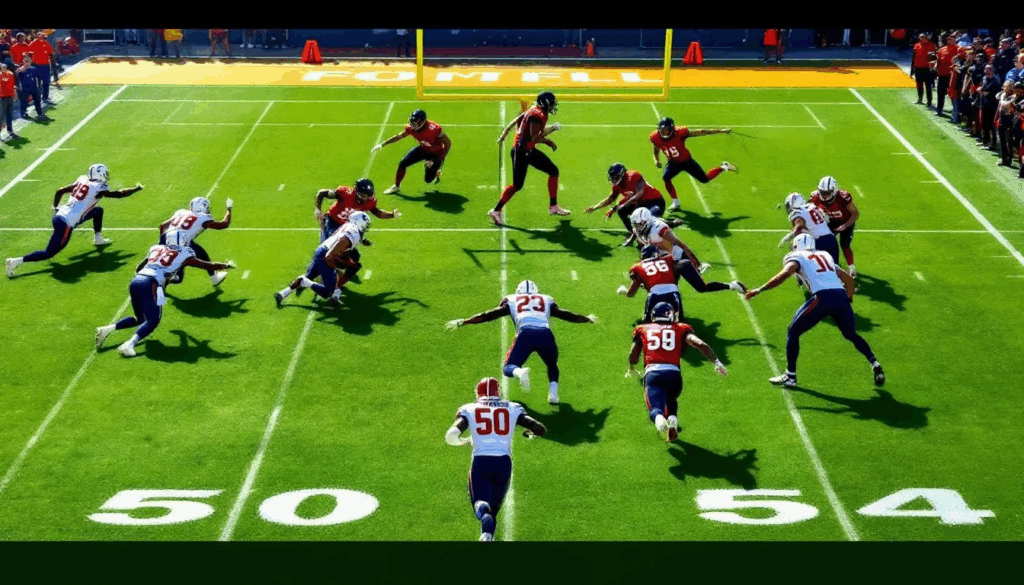
History and Evolution of Football in Canada
The roots of football in Canada trace back to 1861, when the first documented game occurred at University College, University of Toronto. This early version bore closer resemblance to rugby football than the modern Canadian game. Throughout the 1860s, rugby football gained popularity across Canadian universities and communities, leading to the formation of organized clubs and unions.
A pivotal moment came in 1869 when the Montreal Football Club created the first written set of rules, establishing formal structure for the developing sport. The Canadian Rugby Football Union formed in 1884, later becoming the Canadian Rugby Union. However, the most significant transformation occurred in 1903 with the implementation of the Burnside rules, which fundamentally redefined the Canadian game by reducing teams from 15 to 12 players per side and introducing concepts that would distinguish it from both rugby and American football.
The professional structure evolved through the formation of the Interprovincial Rugby Football Union in 1907 and the Western Interprovincial Football Union in 1936. These regional leagues eventually unified under the Canadian Football Council in 1956, which reorganized as the Canadian Football League in 1958. This milestone created a truly national professional competition with standardized rules and formalized Grey Cup championship play. Team owners have played a crucial role as key decision-makers and stakeholders, approving major changes and supporting the league’s evolution through strategic innovations and rule modifications.
An interesting chapter in CFL history occurred during the 1990s when the league briefly expanded into the United States. The Sacramento Gold Miners joined in 1993, and remarkably, the Baltimore Stallions became the only non-Canadian team ever to win the Grey Cup in 1995, highlighting the sport’s brief international appeal.
The Canadian Football League (CFL)
Today’s Canadian Football League consists of nine teams divided into two divisions: the East Division featuring the Toronto Argonauts, Montreal Alouettes, Ottawa Redblacks, and Hamilton Tiger-Cats, while the West Division includes the Winnipeg Blue Bombers, Saskatchewan Roughriders, Calgary Stampeders, Edmonton Elks, and BC Lions.
The CFL regular season runs from June through October, with each team playing 18 regular season games. This schedule allows the league to capture summer and early fall audiences while avoiding direct competition with the hockey season. The season culminates in the Grey Cup championship game, typically held in late November, which rotates between different Canadian cities and serves as a national celebration of Canadian football. Unlike the NFL, which concludes its regular season in early January, the CFL season ends in late November.
Notable recent players have included quarterback Anthony Calvillo, who became professional football’s all-time passing yards leader during his CFL career, and current stars like Winnipeg’s Zach Collaros and Calgary’s Bo Levi Mitchell. The league’s ratio rule requires teams to maintain a minimum number of Canadian-trained players, ensuring strong connections to domestic talent development and distinguishing the CFL from purely import-based leagues.
Fan engagement varies significantly by region, with some franchises like the Saskatchewan Roughriders enjoying virtually province-wide support, while teams in larger markets like Toronto face more competition from other professional sports. The CFL averaged 21,927 spectators per game in the 2023 season, representing solid attendance figures within Canada’s demographic context.
Key Rules and Differences from American Football
The most immediately noticeable difference in Canadian football lies in the twelve players per side format, compared to American football’s eleven. This extra player typically manifests as an additional back on offense, creating wider formations and more diverse passing opportunities. The defensive team responds with additional coverage, fundamentally altering strategic approaches on both sides of the ball.
Field dimensions represent another stark contrast. A Canadian football field measures 110 yards long by 65 yards wide, significantly larger than the American field’s 100 by 53.3 yards. The end zones extend 20 yards deep, double the depth of American end zones, providing more space for elaborate passing plays and strategic positioning. Hash marks are placed 24 yards in from each sideline and run the length of the field, playing a crucial role in ball placement when a player is tackled outside these lines or out of bounds. Some stadiums feature a running track around the field, which can truncate the end zones and affect both field size and the positioning of the goalposts.
| Feature | Canadian Football | American Football |
| Field Length | 110 yards | 100 yards |
| Field Width | 65 yards | 53.3 yards |
| End Zone Depth | 20 yards | 10 yards |
| Players per Side | 12 | 11 |
| Downs per Possession | 3 | 4 |
| Goal Post Position | On goal line | Back of end zone |
| The three-down system creates the most significant strategic difference. With only three attempts to advance the ball ten yards, offensive teams must adopt more aggressive play calling and rely heavily on passing offences. This system produces higher completion percentages and more spectacular passing plays, as teams cannot afford conservative approaches that work in four-down systems. |
Canadian football’s unique rouge scoring system awards a single point when the kicking team successfully kicks the ball into the opponent’s end zone and the receiving team fails to return it out. This scoring method applies to punts, missed field goal attempts, and kickoffs, adding strategic complexity to the kicking game and creating additional scoring opportunities. The rules governing a team’s own end zone, including safety and scoring, influence gameplay and can create unique strategic situations for both offense and defense.
The positioning of goal posts at the goal line rather than the back of the end zone affects both field goal strategy and general field positioning. Kickers must account for potential interference from defensive players, while the proximity to the goal lines influences red zone play calling and defensive positioning. During a place kick, such as a field goal attempt, the ball must pass over the cross bar and between the uprights to score, making the cross bar a critical element in successful field goal attempts.
Motion rules in Canadian football allow unlimited pre-snap movement for offensive backs, enabling more sophisticated formations and timing plays. This flexibility contrasts with American football’s more restrictive motion rules and contributes to the wide-open style characteristic of the Canadian game.
The start of play in Canadian football is governed by the neutral zone, which is the space between opposing teams at the line of scrimmage that players must respect before the snap. This is similar to the American football neutral zone, but in Canadian football, it is sometimes referred to as the scrimmage zone, and the rules for encroachment and offside differ slightly between the two games.
Timing rules also differ: Canadian football features a three minute warning near the end of each half, which acts as an additional timeout and signals the impending end of regulation, greatly influencing late-game strategy. In contrast, American football uses a two minute warning, which serves a similar strategic purpose but occurs with two minutes remaining.
On punt returns, Canadian football does not allow for a fair catch; instead, the returning team is given a five-yard halo to field the ball, while in American football, the punt returner can signal for a fair catch by waving an arm above the head, which prohibits the defense from making contact and allows the returner to catch the ball without risk. The rules for fair catches differ between the two games, affecting both player safety and game strategy. The punt returner plays a crucial role in fielding kicks and making quick decisions, while the returning team as a whole is strategically important in advancing the ball and creating scoring opportunities during kick returns.
Field organization is aided by yardage markers, which are clearly marked along the field to indicate distance, and officials set yardage markers before and during the game to facilitate precise play execution and maintain game flow.
Recent Rule Changes and Modernization
The CFL has embarked on a comprehensive modernization program aimed at improving game flow by streamlining gameplay and reducing unnecessary delays, enhancing player safety, and improving the fan experience. These changes represent the most significant rule modifications in decades and demonstrate the league’s commitment to evolving with contemporary sports entertainment expectations.
Beginning in 2026, the league will implement a 35-second play clock, automatically begin timing after the ball is whistled dead, replacing the current manually initiated system. This change eliminates inconsistencies in game timing and should improve the overall pace of play, addressing fan concerns about game length while maintaining the sport’s strategic elements.
The 2027 season will bring even more dramatic changes with the relocation of goal posts from the goal line to the back of the end zone, matching American football’s configuration. This modification addresses player safety concerns while potentially affecting field goal strategy and red zone play calling. The positioning change may reduce injuries from players colliding with the posts during play.
Perhaps most significantly, the CFL will reduce field dimensions starting in 2027. The playing field will shrink from 110 to 100 yards in length, while end zones will decrease from 20 to 15 yards deep. This shortened field will impact offensive strategies and scoring opportunities, moving Canadian football closer to regulation size standards used by other leagues while maintaining its distinctive character through the three-down system and twelve-player format.
Modified rouge rules will accompany these field changes. For missed field goal attempts, the rouge will only apply when the ball crosses the dead ball line rather than simply entering the end zone, creating new plays and scoring opportunities. The CFL will modify the rouge beginning in 2026, eliminating points for missing field goals that go wide of the goalposts or for kicks through the end zone without being touched. When a kickoff sails through the end zone without being touched by a returner, no single point will be awarded. If a kickoff settles in the end zone and is not returned, the scoring rules will also change, removing the automatic point. In scenarios where the returner fails to return a kick, the impact on scoring will be reduced under the new rules. This modification maintains the unique scoring opportunity while reducing its frequency and impact on game outcomes.
These rule changes reflect the CFL’s phased approach to modernization, balancing tradition with contemporary needs. In addition to these updates, a safety touch will continue to be awarded as a two-point score when the ball becomes dead in the end zone due to possession, passing, or kicking, emphasizing its role as a defensive measure. The league emphasizes that while these modifications address practical concerns about player safety and fan experience, the core elements that define Canadian football will remain intact, ensuring that its traditions stand even as the game evolves.

How Canadian Football is Played
Canadian football follows the same basic objective as other gridiron sports: advance the ball into the opponent’s end zone to score points while preventing the opposing team from doing the same. However, the three-down system fundamentally alters game flow and strategic decision-making compared to four-down systems. In Canadian football, teams have three downs to advance the ball ten yards, whereas American football teams are given four downs. Blocking opponents from behind or holding is illegal in Canadian football, ensuring fair play and player safety.
Each team begins a possession at their own pace, typically starting from their 35-yard line following a kickoff. The offensive play begins with a ‘snap’ of the ball between the legs of the center to the quarterback. The offensive team has three attempts to advance the ball ten yards and earn a new set of downs. If they fail to achieve this forward progress, possession transfers to the defending team at the spot where the previous play ended.
The twelve-player format affects both offensive and defensive positioning. Offensive teams typically deploy the extra player as an additional receiver or back, creating wider formations that take advantage of the Canadian football field’s increased width. This frequently results in more passing plays and longer offensive possessions, as teams must be more aggressive to achieve first downs within three attempts.
Defensive players must cover more ground due to the larger field dimensions and additional offensive players. Defensive coordinators often employ zone coverage schemes that account for the expanded playing area while ensuring adequate pass coverage across the field’s width.
The kicking game plays a more integral role in Canadian football strategy than in most other football variants. Punts become crucial weapons due to the three-down system, as teams frequently punt on third down rather than attempt risky conversions. The rouge scoring system adds strategic complexity, as teams must carefully consider field position when kicking.
Scoring methods include touchdowns worth six points, field goals worth three points, safeties worth two points, and the distinctive rouge worth one point. A touchdown scored by carrying or passing the ball into the opponent’s end zone is worth 6 points in Canadian football. Touchdown conversions can be attempted as either one-point place kicks or two-point conversion attempts from the 3-yard line.
Game timing follows a four-quarter structure with 15-minute quarters, similar to American football. However, the play clock modifications being implemented will significantly impact game flow and overall game length, addressing fan concerns about pace while maintaining strategic depth.
Popular Teams and Regional Culture
The regional culture surrounding CFL teams demonstrates the deep community connections that define football in Canada. Each franchise represents not just a city but often an entire province or region, creating passionate fan bases that treat game day as community celebrations.
The Saskatchewan Roughriders epitomize this regional pride, drawing support from across the entire province despite being based in Regina. Their fan base, known as Rider Nation, creates one of the most intimidating home-field advantages in professional sports. The team’s green and white colors are virtually ubiquitous throughout Saskatchewan, and their games serve as province-wide social events.
The Toronto Argonauts carry the weight of history as the CFL’s oldest continuously operating franchise, dating back to 1873. Despite playing in Canada’s largest media market, the Argonauts face unique challenges competing for attention against other major professional sports teams. However, their championship tradition and connection to Canadian football’s origins maintain their significance in the sport’s narrative.
Calgary Stampeders represent western Canadian football culture, with their red and white colors reflecting both team identity and regional pride. The team’s connection to Calgary’s cowboy heritage and energy industry creates a distinct fan culture that celebrates both sporting excellence and regional economic identity.
The Montreal Alouettes serve as French-speaking Canada’s primary connection to professional football, bridging linguistic and cultural divides while maintaining competitive excellence. Their success in recent decades has strengthened football’s presence in Quebec and demonstrated the sport’s ability to transcend cultural boundaries.
Hamilton Tiger-Cats embody blue-collar football culture, with their passionate fan base creating one of the CFL’s most intense game-day atmospheres. The team’s working-class identity resonates throughout the Hamilton region and exemplifies the sport’s connection to traditional Canadian industrial communities.
These regional rivalries create annual traditions that extend far beyond individual games. The Labour Day Classic between Saskatchewan and Winnipeg, along with other traditional matchups, serve as cultural events that define community calendars and social connections.

Entertainment and Media Coverage
Television broadcasting remains the primary vehicle for CFL exposure, with TSN serving as the league’s exclusive broadcaster. This partnership ensures comprehensive coverage of all regular season games, playoffs, and the Grey Cup championship. TSN’s commitment includes extensive pre-game and post-game programming that helps build narratives around teams and players throughout the season. Meanwhile, the men’s national soccer team’s qualification for their first FIFA World Cup in 36 years in 2022 has also brought increased attention to Canadian sports on the international stage.
Digital streaming has expanded viewing options, particularly for younger demographics who consume sports content differently than traditional television audiences. The CFL’s digital strategy includes social media engagement, fantasy football platforms, and mobile applications that provide real-time statistics and interactive content.
The entertainment value of Canadian football extends beyond the games themselves. Many fans enjoy the sport as part of broader entertainment experiences, similar to how they might engage with other popular Canadian pastimes. The social aspect of game attendance, combined with the pageantry surrounding events like the Grey Cup, creates entertainment experiences that compete with various forms of leisure activity. Similarly, the women’s national soccer team of Canada has brought pride to the nation by winning an Olympic gold medal, showcasing the country’s excellence in sports beyond football.
Social media presence has become increasingly important for maintaining fan engagement between games and seasons. Teams use platforms like Twitter, Instagram, and TikTok to share behind-the-scenes content, player personalities, and community involvement stories that strengthen connections with supporters.
The integration with broader Canadian sports culture positions the CFL alongside hockey, baseball, and other sports in the national sporting consciousness. While football may not achieve hockey’s cultural dominance, it maintains a distinct place in Canadian entertainment preferences, particularly during summer months when hockey is absent. Similarly, the Canadian Premier League (CPL), founded in 2019, aims to develop the domestic soccer landscape and faces challenges in player development and investment, reflecting the growing diversity of sports interests in Canada.
Broadcasting innovations continue to enhance the viewing experience, with enhanced statistics displays, player tracking technology, and interactive features that provide deeper engagement for both casual and serious football fans. These technological improvements help bridge the gap between in-person and televised viewing experiences.
Amateur and Youth Football in Canada
University football represents the most visible level of amateur football in canada, operating under the U Sports organization. The university game follows similar rules to professional football while providing crucial development opportunities for players aspiring to CFL careers. The Vanier Cup championship serves as the pinnacle of university competition and often showcases future professional stars.
Junior football leagues operate across Canada, providing post-high school opportunities for players who may not pursue university education but wish to continue playing competitively. These leagues serve as important bridges between high school programs and potential professional opportunities while maintaining strong community connections.
High school programs vary significantly by province, with some regions maintaining robust football traditions while others focus more heavily on other sports. Western provinces generally show stronger high school football participation, reflecting regional cultural preferences and infrastructure availability.
Development pathways from amateur to professional levels remain somewhat limited compared to other sports, partly due to the CFL’s smaller roster sizes and the competition from American college and professional opportunities. However, the league’s ratio rule ensures continued demand for Canadian-developed talent, maintaining incentives for domestic player development.
Grassroots participation includes community leagues, touch football programs, and youth flag football initiatives that introduce the sport to younger participants. These programs often emphasize participation and fun over competitive excellence, helping build long-term fan bases even among players who don’t pursue competitive careers.
The connection between amateur and professional levels strengthens through player development programs, coaching education, and facility sharing arrangements. Many CFL teams maintain relationships with local amateur programs, providing expertise and resources that benefit the broader football community.
Future of Football in Canada
The Canadian Football League faces several significant challenges that will shape the future of football in Canada. Financial sustainability remains a constant concern, as the league operates with smaller television revenues and sponsorship deals compared to major American sports leagues. However, the 2022 revenue figure of $207 million CAD demonstrates the league’s continued commercial viability.
Growth strategies focus on expanding the sport’s appeal to younger demographics while maintaining traditional fan bases. Digital engagement, rule modernization, and enhanced game-day experiences represent key elements of these efforts. The upcoming rule changes demonstrate the league’s willingness to evolve while preserving Canadian football’s distinctive character.
International player development offers potential expansion opportunities, as the CFL explores relationships with football organizations in Europe, Mexico, and other regions. These partnerships could provide talent pipeline benefits while raising the sport’s international profile.
Technology integration continues advancing through enhanced broadcasting, statistical analysis, and fan engagement platforms. The attention economy demands constant innovation in how sports content is delivered and consumed, pushing the CFL to develop new approaches to fan engagement and content creation.
Maintaining Canadian football’s unique identity while addressing contemporary sports entertainment expectations represents perhaps the greatest challenge. The sport must balance tradition with innovation, ensuring that rule changes and operational modifications enhance rather than diminish what makes Canadian football distinctive.
Youth participation trends will significantly influence long-term sustainability. The league’s continued efforts to support grassroots development, combined with initiatives to make the sport more accessible and appealing to young players, will determine whether future generations maintain connection to Canadian football.
The fantastic game that has evolved over more than 150 years continues adapting to contemporary realities while preserving the elements that make it uniquely Canadian. Whether through shortened fields, modified rules, or enhanced entertainment experiences, football in Canada remains committed to providing a world class game that serves communities across the nation.

Football in Canada represents far more than just a sport—it embodies regional pride, cultural identity, and community connection. From its rugby origins to its modern professional incarnation, Canadian football has maintained its distinctive character while continuously evolving to meet contemporary expectations. The CFL maintains a strong cultural position in Canada, despite facing competition from soccer and other sports. The upcoming rule changes demonstrate the sport’s commitment to improvement while preserving the unique elements that set it apart from American football and other sports. Additionally, Canada’s role as a co-host for the 2026 FIFA World Cup highlights the country’s growing prominence in the global sports arena.
The three-down system, twelve-player format, and distinctive scoring methods will continue defining Canadian football regardless of field dimensions or goal post positions. These core characteristics, combined with passionate regional fan bases and strong community connections, ensure that football in Canada will remain a vital part of the national sporting landscape for generations to come.