Every spring, the same arguments start up in CFL fantasy leagues. Someone insists a running back at the top of their draft is the move. Someone else goes heavy on receivers in the first two rounds. The kicker guy — there is always a kicker guy — picks their man in round four and spends the next three months explaining why it made sense. These debates are entertaining. Most of them are also wrong, and usually in the same direction.
CFL fantasy scoring works differently from what NFL players expect, and those differences matter. The league has nine teams, a standard head-to-head format fits six, and the roster typically runs one quarterback, one running back, three receivers, and one kicker. That is a tight structure. Each pick carries real cost because there are no backups at most positions — quarterbacks, running backs, and kickers sit in your starting lineup or on injured reserve, full stop. No hedging. Understanding where points actually come from in this format changes how you should draft. It is the same logic that applies when you are picking a game at Ringo Spin Casino — you want to know the actual odds before you commit, not the ones that look attractive on the surface.
Quarterback: The Most Important Pick You Make
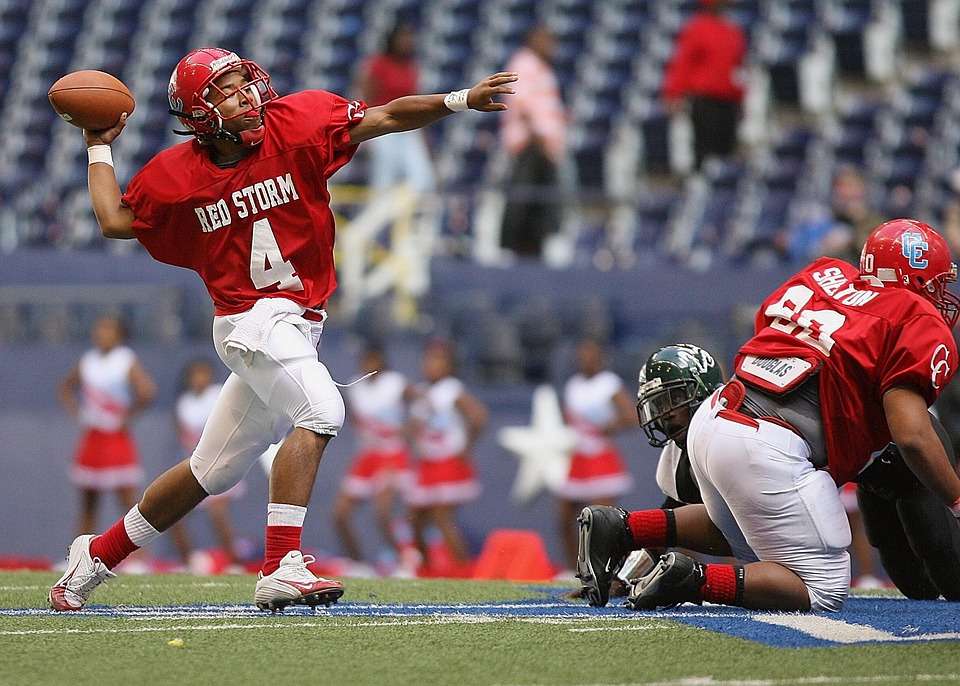
CFL quarterbacks throw a lot. The passing volume in the three-down game is structurally higher than in the NFL because teams cannot afford to stall on offense — three downs to move the chains means you go to the air earlier and more often. A productive quarterback in a high-volume offence accumulates fantasy points at a rate that no other position can match consistently over a full season.
The catch is that there are only nine starting quarterbacks in the entire league. Once six of them get drafted in a six-team league, the waiver wire is empty at the position. This creates a real shortage that most new CFL fantasy managers underestimate going in. The conventional draft strategy — wait on quarterback, grab skill positions first — does not transfer from NFL formats. If four teams in your league take a quarterback in round one, you are not getting a starter until rounds seven or eight, and by then the best passers are gone.
The practical approach: identify the top two or three quarterbacks before your draft. Know which offences led the league in passing yards the previous season. Then take your quarterback early — round one or two — and spend the rest of the draft on depth at receiver, where backups are actually possible.
Receivers: Volume Is the Only Stat That Matters
CFL fantasy leagues generally use a points-per-reception format, which means catches, not just touchdowns, drive receiver value. This shifts the calculus significantly. A receiver who catches 90 passes for 1,100 yards with four touchdowns is more consistent week to week than one who catches 50 passes for 700 yards with nine touchdowns. The touchdown scorer looks impressive in the season totals. The high-volume catcher actually wins you weekly matchups.
Target share is the number to look for. In a CFL offence with a healthy quarterback, the top two receivers on a passing team typically absorb 55 to 65 percent of all targets. The third receiver and below drop off sharply. When you draft three receivers — which the standard roster requires — you want at minimum two players who sit inside that top-two target share on their respective teams. A third receiver from a lower-volume offence on a run-heavy team carries real scoring risk each week.
Receivers also have an advantage that no other position gets in standard CFL fantasy: they are the only players you can keep on your bench. That bench space matters for bye weeks and injuries. A good receiver depth chart makes your team survivable when your top wideout misses two games. No other position allows that.
Here is how the standard CFL fantasy scoring structure breaks down by position, using a typical PPR format:
Position
Weekly avg. pts (top player)
Score driver
Bench possible?
Quarterback
~22–28 pts
Pass yards + TDs
No
Running Back
~14–18 pts
Rush yards + receptions
No
Wide Receiver (×3)
~12–20 pts each
Receptions + rec. yards + TDs
Yes
Kicker
~9–13 pts
Field goals + converts
No
Running Back: The Position That Looks Better Than It Is
Here is where most first-time CFL fantasy managers make their biggest mistake. The running back looks attractive. Rushing yards, receiving yards out of the backfield, occasional touchdowns — it reads well on a cheat sheet. The problem is that CFL running backs rarely carry the ball more than 15 times per game, and many offences treat the position as a second-tier option once the passing game is moving.
The three-down structure contributes to this. Teams without a short-yardage advantage in CFL football tend to throw on second down rather than hand off, which reduces running back touches compared to what you would see in NFL-style four-down football. When a running back also contributes in the passing game — catching screens, swing routes, check-downs — his value increases. When a team uses him purely as a runner, the weekly point floor drops fast.
The additional complication: you cannot bench your running back. One injury, one off-week performance against a strong defensive front, and your lineup absorbs the damage with no way to rotate out. Drafting a running back in the first round — ahead of a quarterback or a top-tier receiver — is the single most common reason managers fall behind in CFL fantasy leagues and struggle to recover.
Kicker: Useful, Predictable Within Limits, Often Overdrafted
The kicker question in CFL fantasy has a cleaner answer than in NFL formats. The rouge rule — which awards a single point when a kick is not returned out of the end zone — gives CFL kickers additional scoring chances that do not exist in the American game. A kicker on a high-scoring offence with a strong leg picks up consistent converts, field goals, and occasional singles. The top kickers in the league score in the range of nine to thirteen points per game in a standard format.
The key variable is offence quality, not kicking accuracy in isolation. A kicker whose team scores frequently gets more field-goal attempts, more converts, and more chances for a rouge. A kicker on a struggling offence scores in the single digits most weeks regardless of his leg strength. This means you are effectively drafting the offence behind the kicker, not the kicker himself.
The right draft strategy for kickers breaks down clearly:
Draft your kicker last, or close to it — no earlier than the final two rounds. The gap between the top and bottom kicker is smaller than it appears.
Prioritise kickers on high-volume passing offences. More touchdowns mean more converts. More drives into field goal range mean more attempts.
In leagues that score the rouge, a kicker on a team with a strong punting game adds a secondary scoring source that most fantasy managers ignore.
Do not draft two kickers. The bench spots are far more valuable spent on receiver depth.
What Actually Wins Leagues
CFL fantasy leagues tend to be decided by two things: whether you secured a top-three quarterback early, and whether your receiver corps generates consistent weekly production rather than explosive but irregular games. The running back slot is something you fill competently, not aggressively. The kicker slot is something you fill last, with an eye on the offence behind him.
The managers who chase running back upside in the first round and scramble for a quarterback in round five are usually the ones sitting at the bottom of the standings by week eight. The structure of the league — nine teams, no QB or RB bench depth, heavy pass volume — rewards a specific kind of draft logic. Work with that logic rather than against it, and the league becomes considerably more manageable.